
MUSCAT — Oman had taken a historic step by launching the Oman Animal Welfare Association (OAWA) last year. Moreover, the launch of the Rifq service – to implement the trap-neuter-return (TNR) by the Muscat Municipality was another major achievement. The Sultanate has also brought out the National Animal Welfare Law, which codifies laws for animal protection. All of these are steps in the right direction and now, a timely push from the public in Oman to support these steps would mean the world to many helpless, voiceless strays.
A small but immediate step in that direction would be to help the strays struggling to survive in this scorching summer heat. While the public is not low on the aspect of compassion to the strays, as is demonstrated by the appearance of small vessels or pots filled with water in some residential and even commercial areas, a more coordinated approach and more of such acts of kindness to one of the world’s most severely deprived creatures, namely strays, would be most welcome, animal lovers say.
Animal lovers in Oman had celebrated the launch of the OAWA, citing it as one of the “most significant milestones for animal rights in the country” but while the body is still taking its steps to establishing itself, the public, whether they are animal lovers or not, need to extend support for this cause.
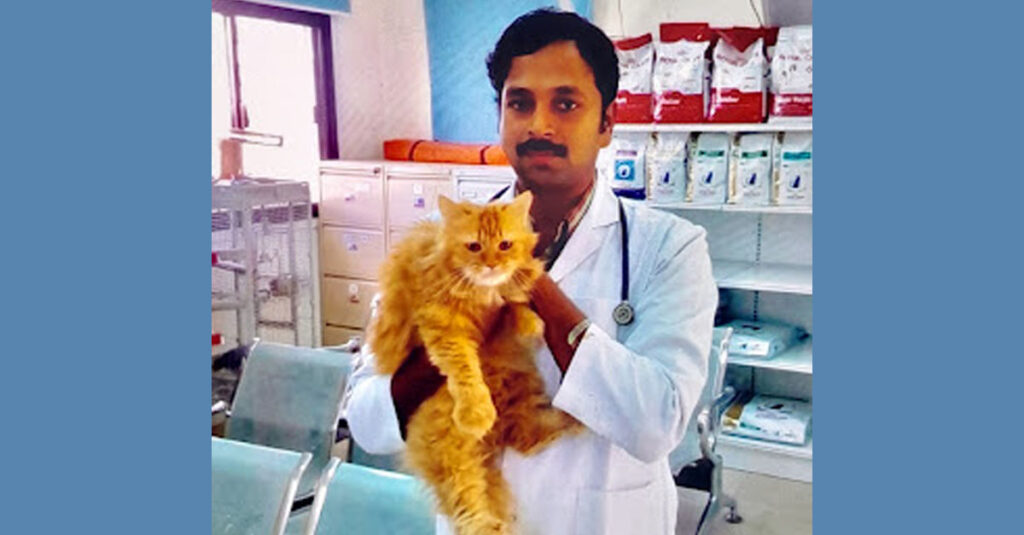
“Most of the strays depend on us for survival,” Dr Peter Nolosco, a senior veterinary surgeon of the Capital Veterinary Centre LLC, told Black & White.
He stressed on the need to provide food, water and shade for the hapless strays.
“As a responsible citizen or resident, we can provide filled water bowls, mainly made of clay in safe places near the garbage bins so that the strays, especially cats, can drink and hydrate themselves.”
He said that many stray cats linger around the hotels and restaurants to survive on leftover food. “Restaurant staff often provide clean drinking water in front of their restaurants — this will help the strays a lot during this season. Many people are feeding cats in different parts of Oman, but it would be great if they could add water along with the food they feed and this will encourage the cats to hydrate themselves,” Dr Nolosco noted.
However, he noted that it was not advisable to keep water in plastic bowls for the strays. “It is risky. The water would heat up and might cause the plastic to degrade, leaching chemicals and toxins to the water, posing health risks for the strays.”
Also, animals may find it hard to drink the hot water in plastics as it tends to trap heat easily. So it is advisable to ditch the plastic containers and use shallow, wide bowls made of ceramic, clay or stainless steel, which keeps the water cooler.
What food should be given to the strays?
Dr Nolosco suggested that people can provide kibbles, soft food in cans and also homemade food. “But, the homemade food should be oilless, saltless, spiceless and sugarless,” he advised.
Currently, it is not uncommon to find totally dehydrated or heat-stroke affected strays out in the sweltering sun. Such dehydrated or heat stroke affected animals, should be brought into an airconditioned environment and also be provided with clean, drinking water.
“If the stray is not in a state to drink water, then either cold water can be sprinkled or ice cube packs can be kept on the body, which will help reduce the heat level. Once they seem to normalise a bit, they should be taken to the nearest veterinary hospital.”
Are local rescue groups still operating here and can the public report to them too?
“Yes, Oman has established the OAWA (Oman Animal Welfare Association). It has appointed rescuers on an area-wise basis and they can admit the animal concerned to the nearest veterinary hospital.
There is another group called the TBTT (Tiger By The Tail). All of these groups have social media connections and are very responsive,” Dr Nolosco said.
Check before you start
In this sweltering heat and even otherwise, strays often refuge from the sun under parked vehicles, but most owners forget that an innocent life exists beneath their big vehicles and drive off, often running over them. “Yes this is a major concern. My humble request to all vehicle owners is to please make sure that there is no animal under your vehicle before you start, Dr Nolosco said.
Segregate waste from leftovers
The veteran doctor also made another salient point: Disposal of waste should be done in a responsible manner. “If you want to feed a stray with leftover food, you should ideally separate left over food from other waste so that you can eliminate the chance of the strays being poisoned from the chemicals in the waste. If your waste contains chemicals like washing powder, floor cleaner etc., those containers should be properly sealed before disposal so that the poor strays will not be exposed to them,” he said.
To a query regarding making temporary sanctuaries and shaded spots for strays suffering in the heat, Dr Nolosco suggested that the best way to get more information about this was to get in touch with OAWA. “They will help provide the right guidelines in this regard,” he said.

0 Comments