
MUSCAT — Constant news and social media bursts on the ongoing scenario in the region may affect the mental health of even those residing in countries that are not part of the conflict, but there is a simple way out of causing further unnecessary mental trauma to oneself: avoid excessive media consumption, says a top Omani psychiatrist. Conflicts impact the mental health of people causing anxiety, emotional fatigue caused by constant exposure to distressing news and social media content.
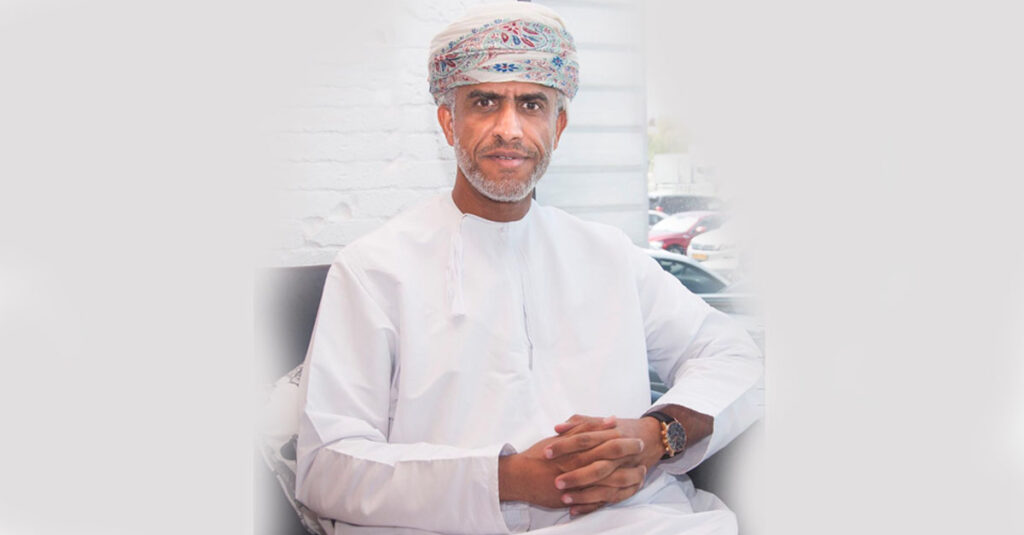
“The best way out is to avoid excessive media consumption as it triggers more worries and anxiety,” DR HAMED AL SINAWI, senior consultant psychiatrist at the Sultan Qaboos University Hospital (SQUH) tells BLACK & WHITE.
Avoid catastrophic thinking
Other techniques that can reduce stress and anxiety include avoiding “catastrophic thinking” (e.g., assuming total collapse), Dr Hamed Sinawi added. “Stay connected socially—shared concerns often feel lighter. Also, make a good attempt to seek credible information rather than rumours,” he exhorted.
EXCERPTS:
Oman is an ocean of calm in this current era of uncertainty. Yet, the conflict in the neighbourhood might be affecting the mental health of many; even causing emotional distress. What advice would you like to give in this regard?
Oman, like other Gulf states, has enjoyed a stable geopolitical and economic environment for many years making them hubs for immigration from other countries. However, the current conflict has shaken the sense of safety that we all take for granted. It is understandable that some of us experience negative emotions such as anxiety and frustration. My advice is to acknowledge these feelings but make concrete efforts to avoid excessive media consumption as it triggers more worries and anxiety. Ideally, connect with other people.
Reverberations of the regional conflict has its way of affecting economic stability; jobs etc. Such situations would also bring about deep concern and anxiety. What’s the way out for those affected mentally by these happenings?
Anxiety about income and job stability is a well-known impact of war and other disasters, in fact we have seen this during the COVID-19 pandemic when the closure of several companies leads to people being unemployed and having to survive on minimum income. This situation reversed eventually and most businesses were able to be revived. This experience enabled us to develop resilience and new skills and the strength to endure future difficulties. Those worried about financial situations would benefit from proper planning and searching for jobs that matches their qualifications and values, even if that involves less salary than before. Other techniques that can reduce stress and anxiety include avoiding “catastrophic thinking” (e.g., assuming total collapse), Stay connected socially—shared concerns often feel lighter, and make a good attempt to seek credible information rather than rumours. Psychologically, people cope better when they feel they have agency (*), even in small ways.
Those already afflicted with varying versions of anxiety would also be adversely affected by the regional happenings. Wouldn’t they also be seeking help from medical professionals like you? Have there been people approaching you, seeking help?
Yes, individuals with existing anxiety disorders are particularly vulnerable. Regional tensions can intensify symptoms of stress, anxiety and lack of sleep and one remains preoccupied with thoughts about the political situation and its impact. In my clinical practice, I often meet patients presenting with anxiety linked to excessive exposure to war news, be it from the traditional news channels or social media platforms that tends to produce endless reels about the latest news and events. I remind my patients that their symptoms are not a sign of personal weakness but a natural reaction to respond to perceived threat.
As is the case, cultural stigma may discourage individuals from seeking professional mental health support, often leading to people suffering in silence. Are you seeing a significant rise in this?
That is true, stigma is a well-known barrier to seeking professional help however, public awareness about mental health in Oman and other countries has improved lately and there is some increase in help-seeking behaviour, particularly among younger generations, but silent suffering still exists.
Are children of parents who are facing some difficulties, as far as their psychological well-being is concerned, developing some forms of anxiety?
In general, children are highly sensitive to the emotional climate around them even if they do not fully understand the situation, they absorb anxiety from parents. Depending on their ages, children express emotions and distress and also exhibit signs of irritability or clinginess. Some experience lack of sleep or bedwetting, others have fears or school difficulties. In such situations, parents can provide reassurance in simple, age-appropriate language. It is best to avoid exposing children to distressing news. Maintaining routines (school, meals, sleep) would help children to keep a stable social rhythm. In my opinion, during times of regional uncertainty, the greatest challenge is not always what is happening but how much of it we carry psychologically. Resilience, in this context, is not about ignoring reality. It is about staying informed, but not getting overwhelmed. Staying connected, but not getting consumed. Remaining hopeful, while grounded in reality.
(*) Agency (in mental health) is the sense of control that you feel in your life, your capacity to influence your own thoughts and behaviour, and have faith in your ability to handle a wide range of tasks and situations (Net).

0 Comments