
Ban says “we don’t trust you”; but guidance says “we trust you and will equip you”, they add
MUSCAT — As the Sultanate of Oman navigates a prime digital dilemma about whether to enforce an outright ban on social media for children under 16 or implement a guided policy rule, a section of the digitally-aware public has given their opinion.Oman is actively seeking an apt solution for this through public consultation launched by the Telecommunications Regulatory Authority (TRA). Following a royal directive, the Sultanate is drafting a national framework that balances strict statutory cut offs against collaborative educational approaches involving schools and families, officials note.
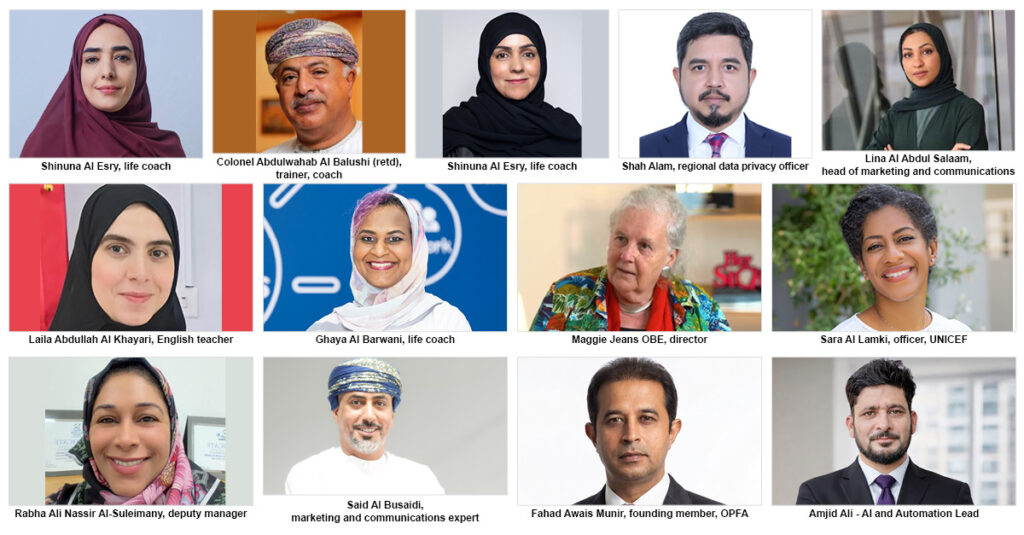
BLACK & WHITE pushed the ongoing debate to some key members of the public who seem to be favouring a guided policy paired with shared responsibility than a blanket ban. This current debate was prompted by rising concerns over digital addiction, cyberbullying and online exploitation highlighted by the Oman Human Rights Commission (OHRC).
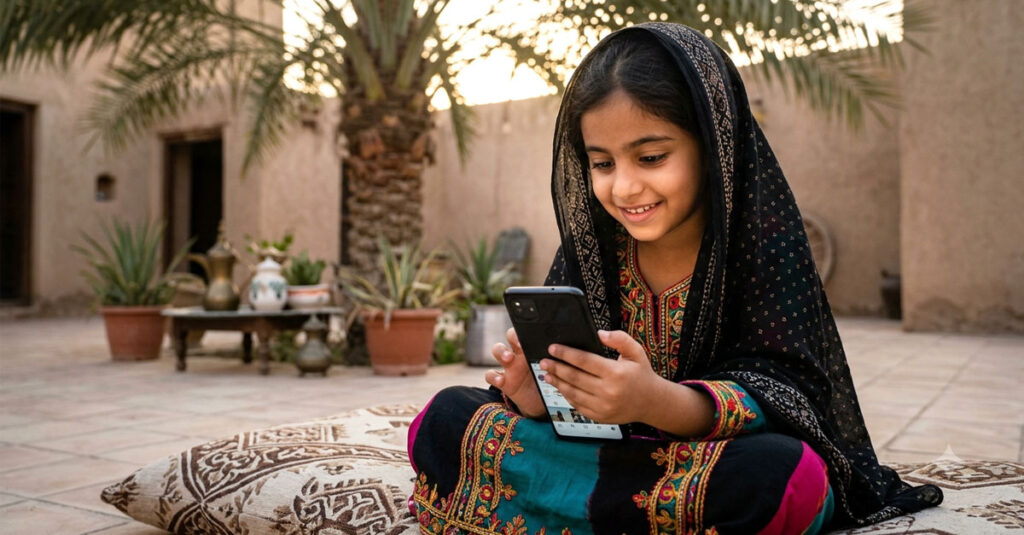
However, participants on this B&W debate, almost all of them parents, say that on the face of it there are grounds for a ban, but unfortunately the truth is that tech-savvy children are quite able to bypass simple age-verification checks. Moreover, it would push them into unsavoury shadow accounts, unregulated underground apps where adult supervision is completely absent, they add. One participant put this debate in the right perspective: “A ban tells kids, ‘we don’t trust you’” and makes them take evasive action and hide and do unwanted things, while “guidance says, ‘we trust you and we will equip you’”. This reasonable approach seems to be the best way out and the inputs below would surely aid policy makers in taking the right decision.
EXCERPTS:
OPT FOR EDUCATION CUM REGULATION
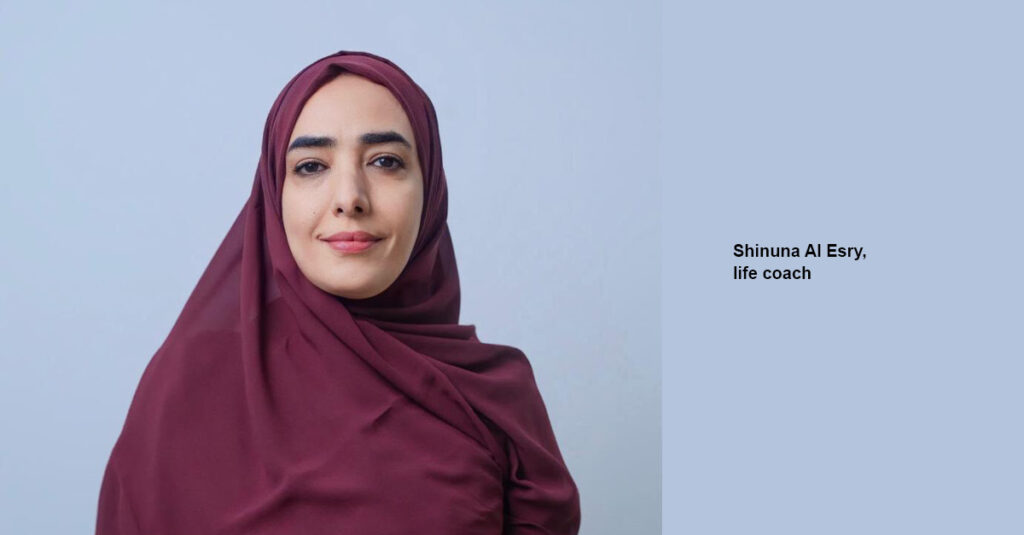
Shinuna Al Esry, life coach, design consultant
My call: Don’t go for a strict ban. Go with balanced parental guidance plus platform accountability. A ban sounds clean, but in practice it backfires.
Why people want the ban – and those concerns are valid:
The mental health and safety worries are real and we shouldn’t dismiss them.
– Addiction by design: Infinite scroll, likes, and algorithms are built to keep kids hooked. Under-16 brains are still developing impulse control.
– Safety risks: Cyberbullying, predators, self-harm content, and scams. Parents in Oman are right to be scared.
– Sleep plus school impact: 2am TikTok does not mix with Fajr and school.
So yes, we concede the problem is serious. Ignoring it is not an option.
Why a strict ban isn’t practical*
– It won’t work: VPNs, fake birthdays, borrowed phones. Kids bypass age gates in minutes. All you do is push usage underground where parents can’t see it.
– Collateral damage: social media is also school groups, coding communities, Quran study circles, small business marketing for teen entrepreneurs, and keeping in touch with family abroad. A ban would cut all of that.
– Enforcement nightmare: TRA would have to police millions of accounts and clash with global platforms. It’s expensive and ineffective.
What works better: Balanced parental guidance plus guardrails.
Think “driver’s license” not “total ban”.
1. Age-verified accounts for <16: Platforms must verify age and require parental consent to create an account.
2. Default safe settings: No DMs from strangers, no targeted ads, limited screen-time nudges, and content filters for under-16s.
3. Digital literacy in schools: Teach kids in Oman from Grade 5 about algorithms, misinformation, privacy, and mental health. Give them tools, not just rules.
4. Parent support: TRA plus ministry of education run workshops to help parents set boundaries, use parental controls, and have actual conversations.
5. Platform liability: Fine platforms if they knowingly allow under-16s without safeguards.
The closing argument:
A ban tells kids “We don’t trust you” and teaches them to hide. Guidance says “we trust you, and we’ll equip you.” We want 16-year-olds who enter social media knowing how to handle it, not 16-year-olds who get full access for the first time with zero skills.
So: Acknowledge the concerns 100 percent. Reject the ban. Choose education plus regulation instead.
ADOPT A MULTIFACETED APPROACH
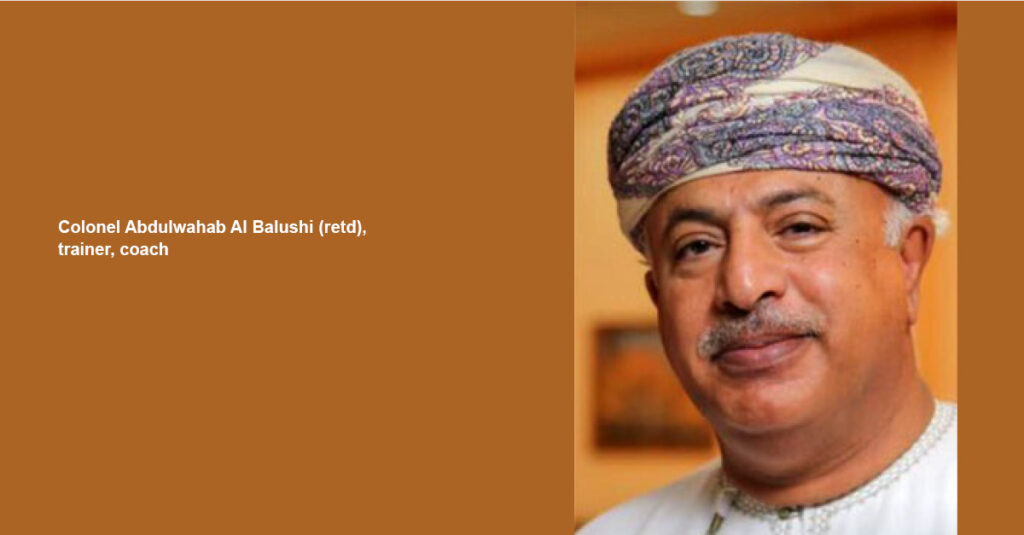
Colonel Abdulwahab Abdulkarim Al Balushi (retd), former senior member of the police force, trainer, coach and motivational speaker
I find both sides of the argument in the social media age-limit debate valid. A complete ban for under-16 kids has strong justification due to documented risks like anxiety, cyberbullying, and sleep deprivation. However, the enforcement is nearly impossible given children’s ability to bypass restrictions, and that a blanket ban overlooks the constructive roles social media now plays in education, hobbies, and communication.
Instead of a simple ban I think it’s better to have a layered, age-based framework: no personal accounts under 13 (except supervised educational ones), limited access with parental consent for ages 13 to 15, and full access at 16 combined with continued digital literacy education. They emphasise that the core issue is digital literacy, not access itself, and stress that parents and schools must play active roles in teaching responsible online behaviour, while technology companies must be held accountable for designing less-addictive platforms.
Ultimately, there is no single measure, whether a ban, parental oversight, or education is sufficient on its own. The most sustainable solution combines age-appropriate regulation, mandatory digital citizenship curricula, nationwide parental awareness campaigns, and stronger corporate accountability. This multi-faceted approach addresses the problem from all angles, preparing young people to navigate the digital world safely rather than simply delaying their entry into it.
BALANCED APPROACH MORE EFFECTIVE
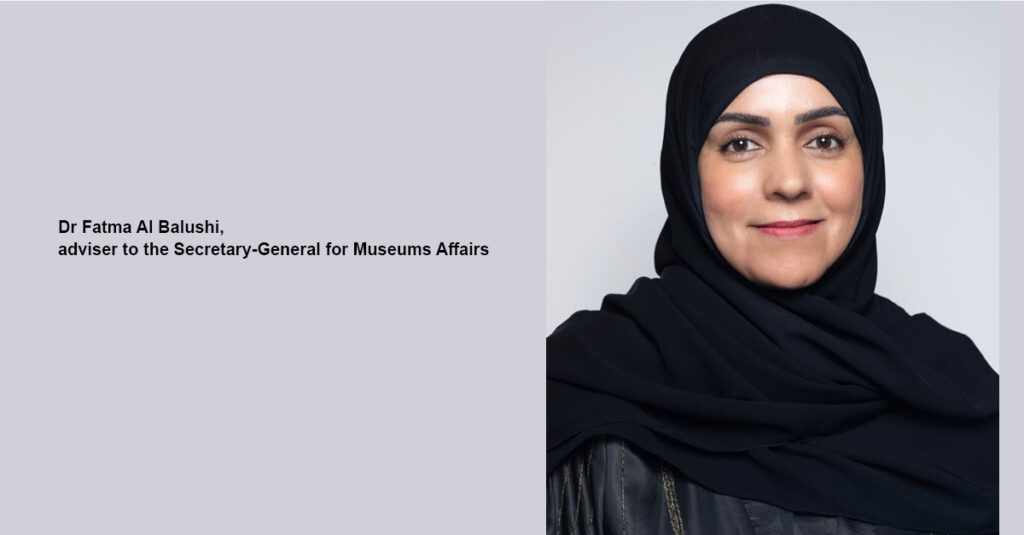
Dr Fatma Al Balushi, adviser to the Secretary-General for Museums Affairs
As a PhD holder in information systems and an active cybersecurity awareness advocate, I fully understand the concerns surrounding children’s mental health and online safety. While these concerns deserve serious attention, I believe a balanced approach is more effective than a blanket ban on social media for children under 16.
Strengthening regulation, promoting digital literacy, supporting parents, and holding technology platforms accountable can better equip young people to navigate the digital world safely. Our goal should be to not only to protect children today but also to prepare them to become responsible digital citizens in the future.
NOT REALISTIC
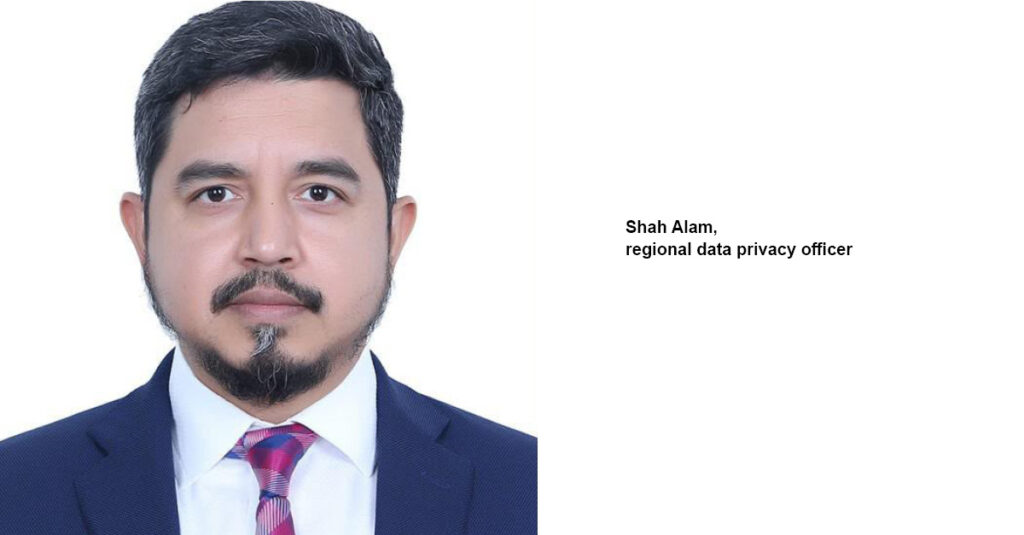
Shah Alam, regional data privacy officer for IMEA region
A strict ban on social media for kids under 16 might sound protective, but it’s not realistic, most kids already use their parents’ phones to access these platforms. Blocking them outright just pushes activity underground. What’s more effective is parental guidance and digital literacy, teaching kids how to use social media responsibly while keeping them safe. In short: instead of banning, prepare them for the digital world they’re already stepping into.
EMPOWER CHILDREN TO NAVIGATE DIGITAL WORLD SAFELY
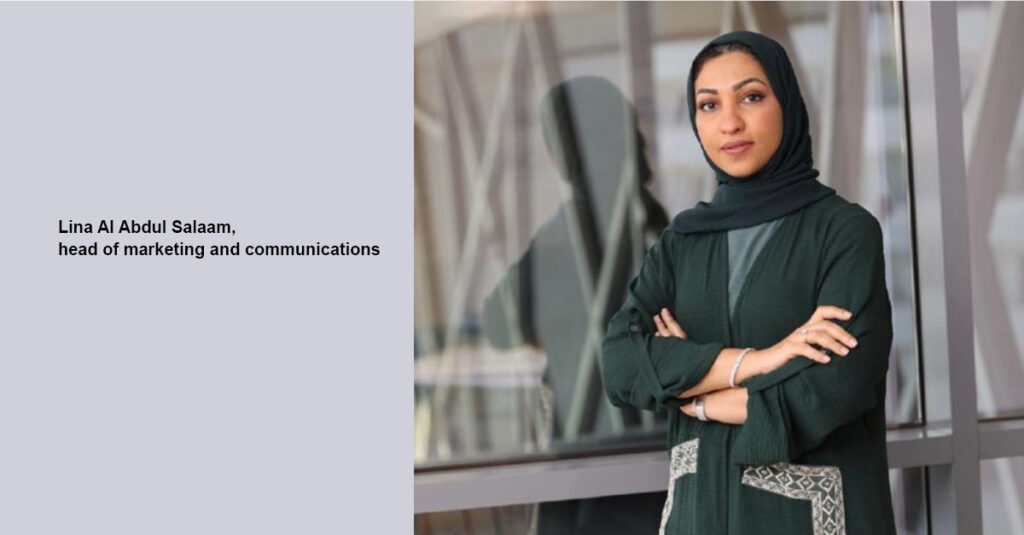
Lina Al Abdul Salaam, head of marketing and communications
The question should not be simply whether children are allowed on social media, but whether they are equipped to use it safely. A strict ban may offer a simple answer to a complex problem; responsible guidance, education and accountability offer a more sustainable one. In my view, protecting children should be the priority, but empowering them to navigate the digital world safely should be the long-term goal.
As parents, I believe we should be concerned about our children’s mental health and online safety, but a blanket ban on social media for those under 16 may not be the most practical or effective solution. While restricting access could reduce exposure to harmful content, cyberbullying, online pressure and unhealty screen habits, it may also be difficult to enforce and could encourage children to find ways around the restrictions. The content our children are exposed to is not in line completely with our cultural preferences, beliefs and principles. Therefore, it is fundamental to develop the children’s identity, character, respect for others and understanding of right and wrong. The influence of online trends, language, lifestyles and social pressures can gradually shape attitudes and behaviours, potentially weakening the connection younger generations have with their family traditions and cultural identity which is mostly any parent’s concern. For this reason, having the Telecommunications Regulatory Authority (TRA) protecting young users is necessary and limiting the type of content/social media channels based on age access. Children are growing up in a digital world and completely shielding them from it may leave them less prepared to navigate it responsibly. In my view, a more balanced approach would be better, where we combine age restrictions with strong parental guidance and digital education. Maybe exploring other restrictions also such as; no algorithmic feeds for minor accounts, default screen-time limits and other possible tools.
DIFFICULT TO IMPLEMENT
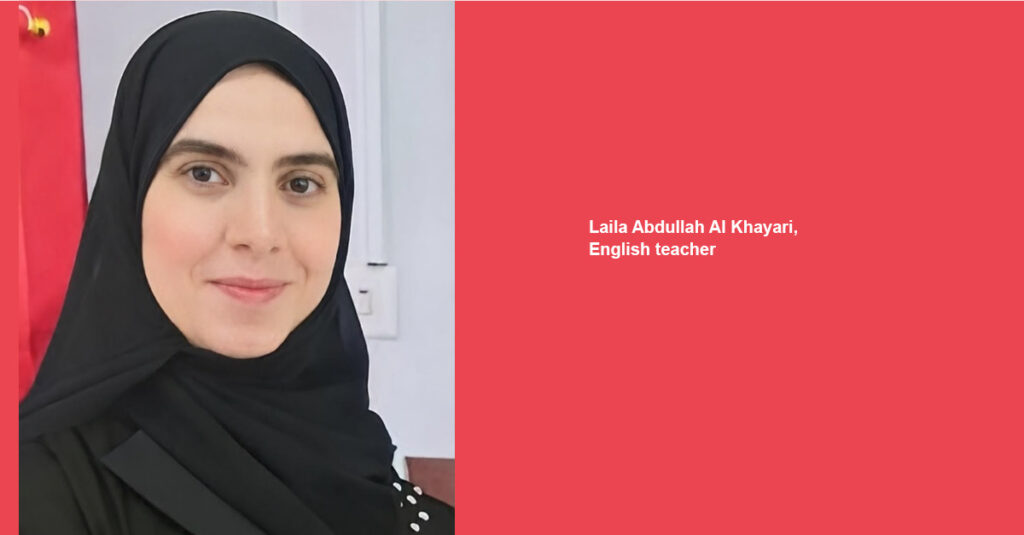
Laila Abdullah Al Khayari – English teacher, primary school
As a teacher, I believe that children’s mental health and safety should always be our priority. Social media can have some benefits, such as helping children communicate, learn new things, and stay connected with others. However, using social media without proper guidance may also expose children to harmful content, cyberbullying, and other risks.
In my opinion, a complete ban on social media for children under 16 may be difficult to apply in practice. Instead, I believe that parental guidance, clear rules, and digital awareness can be more effective.Parents and teachers should work together to teach children how to use social media safely and responsibly. Children should also understand the importance of privacy, respectful communication, and limiting their screen time.Therefore, I support a balanced approach rather than a strict ban. Protecting children does not only mean keeping them away from social media; it also means preparing them to use technology safely and wisely.
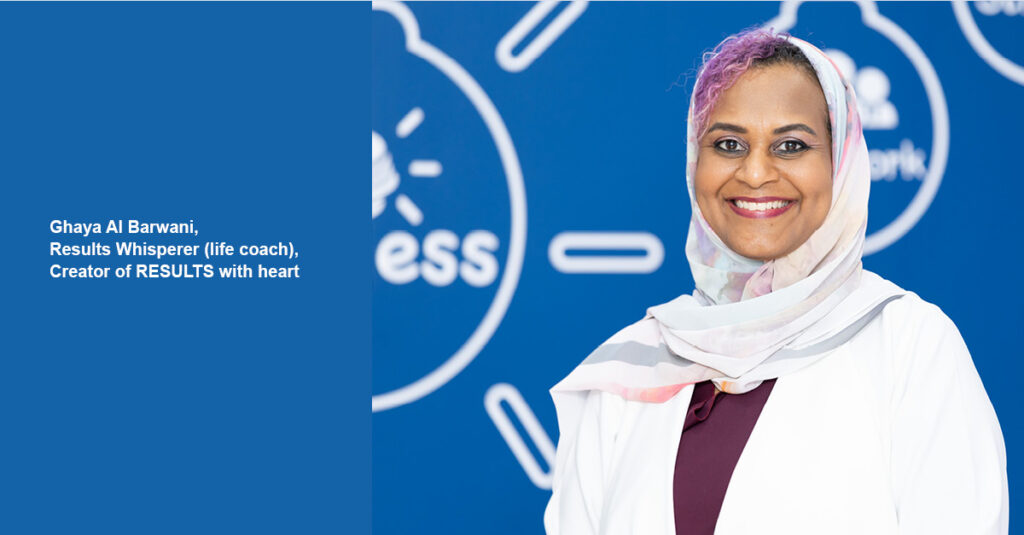
BAN, BUT WITH GUARDRAILS AND SAFE COMMUNICATION METHODS
Ghaya Al Barwani, Results Whisperer (life coach), Creator of RESULTS with heart
When I first heard about the social media ban for children under 16 in Australia and the controls that the government has in China; I prayed for the same for our children in Oman.
As a parent of a 13-year-old, I can see the content floating that even if I control it for my child, I still have to have conversations on topics a lot earlier as a result of the influence of what her peers are seeing as well. This is nothing new, all parents across generations faced the same issue, it’s just that the government had controls. I am old enough to remember when TikTok was the sound a clock made and when we had a few hours of television available to children; I also remember the advance of cable television and 24-hour shows on MTV and other channels (fun times), We still had to be aware that the television was in the common lounge and anyone could pass by and see the “garbage” I was watching. The difference now is that the content is on personal devices and no matter how many parental controls I put in, my daughter seems to find her way around and no matter how many times I pop in, I cannot really, truly know all that she sees. In short as a parent, I admit, I need help.
The reason I took my time to respond is that I also asked my 13-year-old to give me her thoughts on the topic. Her answer was: “No! Just No…” Why?
“Well, I know you don’t like it and you don’t get it…” My eyes automatically roll up at that comment, and I breathe to hear her out.
“Remember when I was having a tough time with Math; I got in touch with friends from other schools and my older cousin through Snap and they were able to help me get it sorted.” Then she highlighted the fact that her interest in the electric guitar and Mandarin (the language not the fruit) was supported by YouTube videos. She now chats with her Chinese friends through WeChat in Mandarin, not perfectly; just enough to get by on her own without a tutor. She has improved her basketball games and can play quite a few songs on her electric guitar because of watching the tutorials and practicing on her own.
Now, after that conversation with her, my answer is no longer an emphatic “yes” to having a social media ban for children under the age of 16. It is a “yes” with guardrails and safe communication methods. As a parent, I am terrified of the influence social media has on my teenager and the horror stories of children driven to committing suicide and fringe thought processes. I also must admit the good it has brought to my daughter’s world as well.
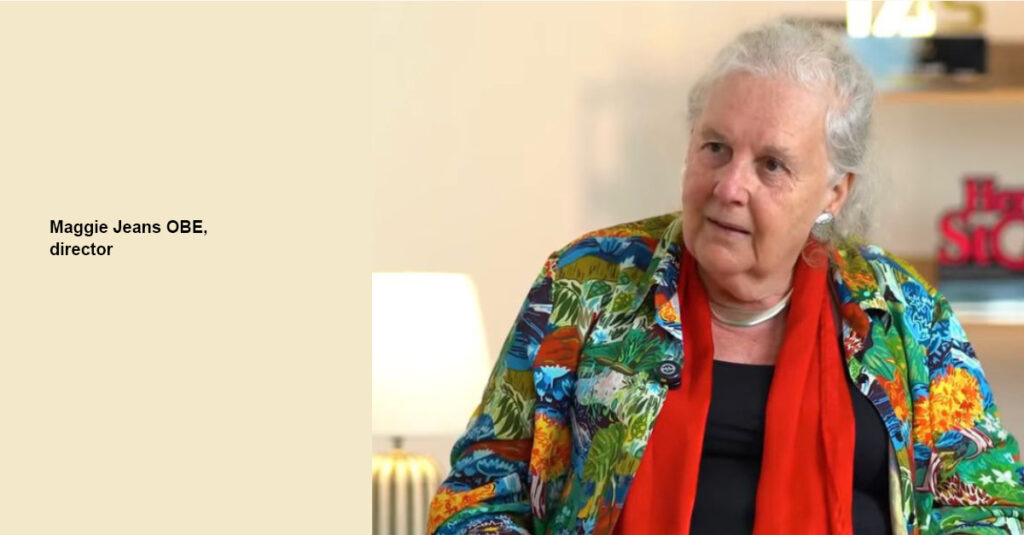
SENSIBLE POLICY
Maggie Jeans OBE, director Al Manahil Books
Fortunately, very few Omani children under 16 seem to have mobile phones and parental guidance generally seems to be very effective. However, a ban on social media for this age group would seem to be a sensible policy and be in line with several other countries including the UK and Australia.
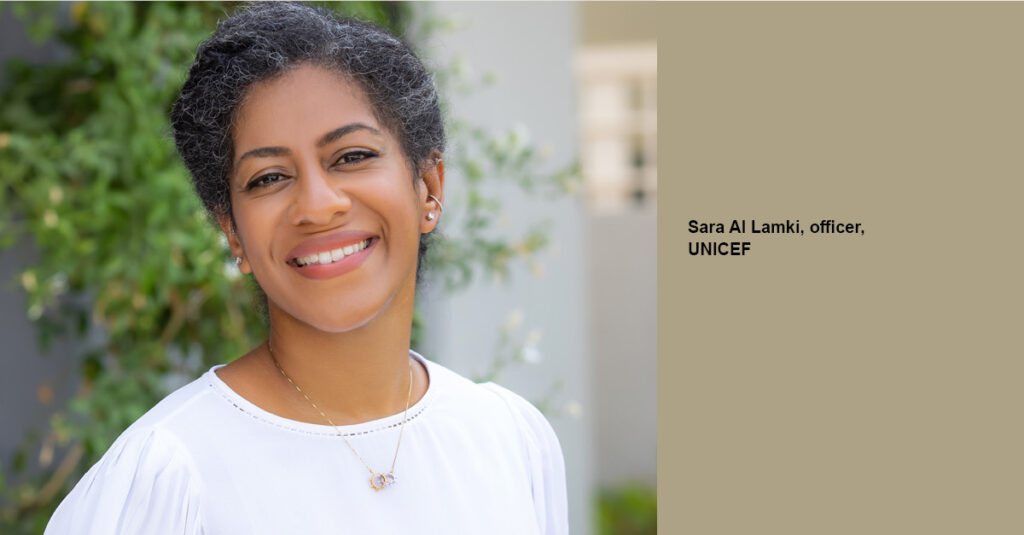
CREATE SAFER DIGITAL ENVIRONMENTS
Sara Al Lamki, communication and partnerships officer, UNICEF Oman
It is a good sign that Oman is asking this question. Public concern about children’s online lives is real, and the right response is to use that concern to push for stronger protection for children overall.
Many countries around the world are now looking at an age limit; so far, only Australia has had extended time enforcing an age restriction, and it is still too early to say whether children there are safer. What is clear though is that an age limit on its own will not keep children safe, because it does not change how the platforms are built and operated. Social media feeds are designed to keep people, including children, scrolling. Safeguards against harmful content and interactions are not always effective, and children’s data is collected and used in ways they would not expect. Age restrictions do not eliminate children’s exposure to these risks as many continue to access services if they borrow an older sibling’s account, use the family tablet, or move to an app the rule does not cover.
What protects a child is not simply restricting access; it is creating safer digital environments in the first place, alongside support at home, at school and in the community. That means teaching children how to navigate online life from an early age and giving parents and teachers the knowledge and support to guide them rather than leaving them to work it out alone. So, the age question is worth asking alongside a few others. What specific harm are we trying to stop? (e.g. online bullying, exposure to harmful content, mental health impacts). What will the technology company themselves be required to do to better consider children’s rights in the design and operation of their platforms? And what do children in Oman think about it, and what spaces and activities do they have “in the real world” to come together?
If we start with by putting children at the heart of the issue, the age limit becomes one useful part of a much stronger protection system.

BALANCED APPROACH WOULD BE IDEAL
Rabha Ali Nassir Al-Suleimany, deputy manager, corporate communication, Taageer Finance Company SAOG
I believe the discussion should not be framed as a choice between protecting children and preserving access to technology—we must achieve both.
There is no doubt that excessive and unsupervised social media use can negatively affect children’s mental health, expose them to cyberbullying, inappropriate content, online predators, and unrealistic social comparisons. These concerns are real and deserve serious attention. However, a blanket ban on social media for children under 16 may prove difficult to enforce and could unintentionally encourage young people to bypass restrictions through alternative platforms or false age declarations. Rather than relying solely on prohibition, I believe a more sustainable approach is a balanced framework built on regulation, education, and parental involvement.
Parents remain the first line of defence. Equipping families with digital literacy, parental control tools, and guidance on healthy online habits is just as important as introducing stronger regulatory safeguards. Schools also have a vital role in teaching responsible digital citizenship from an early age.
The Telecommunications Regulatory Authority’s initiative should therefore focus on creating a safer digital ecosystem by requiring stronger age verification, enhanced privacy protections for minors, limits on addictive platform features, and swift removal of harmful content. At the same time, awareness campaigns should empower parents and children to navigate the online world responsibly.
Protecting children’s wellbeing must remain the priority, but preparing them to use technology safely is equally important. The goal should not be to isolate children from the digital world, but to ensure they enter it with the right safeguards, guidance, and skills. This balanced approach is more likely to produce long-term benefits for both families and society.

PREPARE CHILDREN TO USE TECHNOLOGY WISELY
Said Al Busaidi, marketing and communications expert
The conversation should not be about setting an age limit alone, but about building digital awareness among both children and parents.
Children today are growing up in a digital-first world. Many under 13s are already finding ways to access social media despite existing age restrictions. Simply increasing the minimum age to 16 is therefore unlikely to address the problem.
The real challenge is ensuring that young people know how to use these platforms responsibly, safely, and in moderation. At the same time, parents need the knowledge and confidence to guide their children, set healthy boundaries, and have open conversations about digital wellbeing rather than relying solely on restrictions.
Social media undoubtedly presents risks to mental health, privacy, and online safety, and these concerns should be taken seriously. However, it also provides opportunities for learning, creativity, communication, and developing digital skills that will be essential for future generations. Instead of focusing only on banning access, we should invest in comprehensive digital literacy programmes, stronger parental education, and greater accountability from technology companies to create safer online environments for young users. Ultimately, the goal should not be to keep children away from technology, but to prepare them to use it wisely. Every generation grows up with its own technologies, and none of us can predict what the next generation of digital platforms will look like. Our responsibility is to equip children—and their parents—with the awareness, critical thinking, and resilience needed to navigate that future safely.
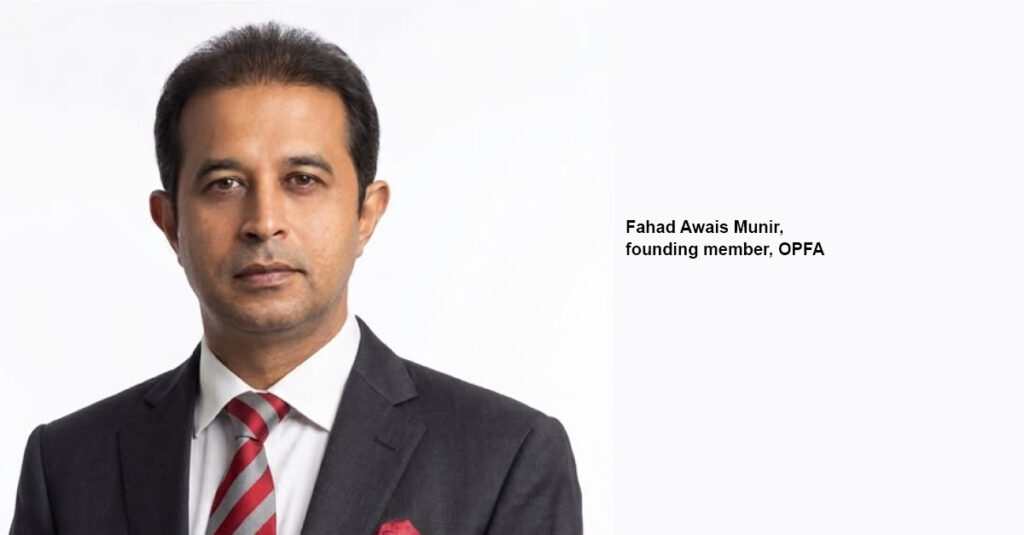
MAKE DIGITAL ENVIRONMENT SAFE
Fahad Awais Munir, founding member, Oman Pakistan Friendship Association
While the concerns around children’s mental health, online safety and exposure to harmful content are valid, I believe a complete ban on social media for those under 16 may not be the most practical or effective solution. Social media is now an important part of how young people communicate, learn, express themselves and stay connected with the world. Rather than completely restricting access, we should focus on making their digital environment safer and more responsible. A balanced approach of parental guidance, age-appropriate digital education, stronger platform safeguards and reasonable screen-time limits can be more effective than a blanket ban. Parents, schools, regulators and technology platforms all have a role to play in teaching children how to use social media safely and responsibly. The objective should not simply be to keep children away from the digital world, but to prepare them to navigate it wisely and confidently.

FAVOUR A BALANCED MODEL
Amjid Ali – AI and Automation Lead, technology leader
I support stronger protection for children online, but I believe a complete ban should be approached carefully. The risks are real, including harmful content, cyberbullying, addiction, privacy issues and the impact excessive social media use can have on young people’s wellbeing. Oman is right to take these concerns seriously. However, technology will remain part of children’s lives. A ban alone may simply push usage into less visible channels or encourage children to find ways around age restrictions. I would favour a balanced model combining appropriate age restrictions, reliable age verification, parental controls, safer defaults on platforms, limits on harmful content and, importantly, digital education for both children and parents. The objective should not only be keeping children away from social media until a particular birthday. It should also be preparing them to use technology safely and responsibly when they do gain access.
PARENTAL CONTROL MORE EFFECTIVE
Dr Ali, medical professional
A total social media ban will only push children to find other ways to still use it, which is even worse. I would rather suggest that we should move forward and bring about more awareness and education for both the parents and youngsters. Parental control is much better and more effective.

0 Comments