
The recent move by the Indian Supreme Court to regulate airfares has created positive ripples among the Indian diaspora here. This has been a long-standing concern of the Non-Resident Indians (NRIs) and the only prayer on the lips of most of the affected is whether this move would finally ease the financial strain that is part and parcel of high-priced tickets to and from India or would it be status quo after the current spark? Besides this, there is still confusion among many who wonder whether this supreme court move applies only to the domestic airline sector? Again, even if this move covers the international sector, would it be applicable only to the Indian-based airlines that operate domestic and international flights, including to the Gulf-based countries? There is not much clarity on these issues. In these three weeks, the centre should “finalise and submit formal regulations governing airline surge pricing, ticket caps, baggage fees, and refunds”. The Supreme Court also warned that carriers defying pricing orders would face strict penalties including grounding.
The next hearing is set for September 7, 2026, where the finalised regulatory framework would be reviewed. The court criticised the authorities for a weak enforcement mechanism against “exploitative, steep airfare hikes during festive periods and seasonal travel peaks”. One of the potential impacts on passengers could be that of enforcing limits on extreme ticket cost inflation during major holidays and festivals.
Fighting to bring down exorbitant fares
Social and community groups in the Gulf and Oman have been constantly fighting to bring down the exorbitant airfares between India and the Gulf.
Members of the Indian Social Club, the Pravasi Legal Cell (PLC) here and many others have been pursuing the matter for many years. All of them expressed their happiness and noted that this development was in the right direction and hoped that it would bring about positive change. Non-Resident Indians (NRIs), migrant workers and the expatriate community in general were always confronted by the high fares, which quite often shoot up during festival occasions. Even Omanis travelling to India quite often balk at the high fares. So, a move to bring about positive change and feature lower fares in the future would be welcomed and appreciated by all.
Move is highly appreciable
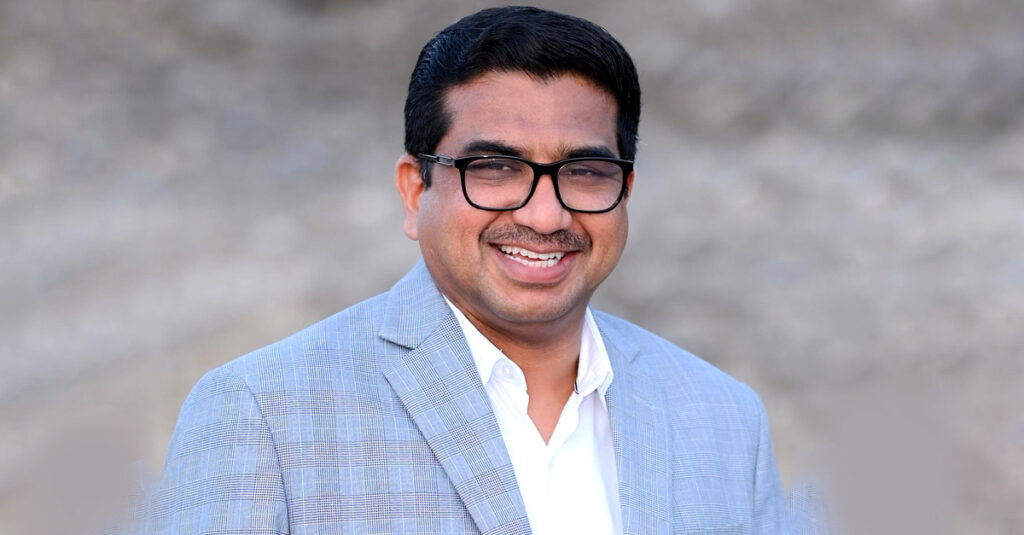
Advocate Jessy Jose, the president of the PLC, Oman Chapter, which has been working here in Oman since 2025, said she welcomed this positive move by the Supreme Court of India. “It is highly appreciable of the Supreme Court to make this move to regulate the airfare,” she told the BLACK & WHITE.
She pointed out that the airfare between India and the region was “very high” and noted that many, especially those in the low-income group, were not able to afford the rates and have to cancel their travel plans. Another point that she noted was that while campaigns to lower the steep fares were constantly being done, it always fell on deaf ears. All of the media and newspaper campaigns also did not meet with any result. Therefore, the current Supreme Court was even more appreciated and deserved praise. “The PLC has always been on the forefront in protecting the interests of the Indian expatriates and this was a major issue which we have been fighting for,” she noted.
While the fight to lower the fares was a continuous and ongoing effort, the PLC has been successful in bringing about change in many other issues, especially in their efforts to help distressed migrants. “We have been successful in helping the distressed in passport-related issues, accident/death-related issues, helping the injured or accident-affected Indians reach India, safely. We have also been involved in settling disputes,” she said noting that all of this was done gratis. The PLC, which was established in 2009, is a non-governmental, non-profit organisation, which provides free legal assistance and advocacy for Indian expatriates across the globe. With the establishment of the Oman Chapter, PLC has managed to extend its humanitarian and legal outreach in the Gulf region.
Welcome the move, but doubts persist
Shameer P T K, the treasurer of the Indian Social Club (ISC), while welcoming the recent move by the Supreme Court also wondered out aloud whether the ambit of the move covered international flights too. “We welcome this move wholeheartedly. We have been fighting for this cause since the very beginning, but while we understand that this move is surely applicable to domestic flights in India, it is not clear whether it is applicable to international flights (outside India) too.”
But, despite the ambiguity, any move to regulate fares was welcome, he said. “This has been the thorn in the side since the beginning of travel between India and the Gulf and of late it has been compounded. We sincerely hope that this move includes airfare between India and the Gulf states too, but even if it is otherwise, we laud this move by the Supreme Court,” enthused Shameer, whose volunteer and social welfare activities supporting the expatriate community has gained him much love and respect within the community. “Since so many years we have been fighting for this cause, but we have not managed to make a dent,” he said, adding that the current development therefore “was a welcome relief”.
Shameer also noted how often economy passengers of an airline flying between Oman and a destination in India would be paying different set of fares. “For example, let us say that there are 180 or 200 economy passengers in a flight from Muscat to Thiruvananthapuram. I would be paying one fare and others would be paying different fares. Same flight, but passengers paying different fares,” he noted.
“For a majority of Indians in the Gulf and abroad, air travel is not a luxury – most of them would be living separately from their families,” Shameer said, adding that exorbitant airfares, especially during peak seasons and emergencies, place an unfair burden on “poor expatriate workers and their families”.
If the current move finally brings in transparency and protect passengers and also stop the unfair swings in airfare and extra charges, it would be quite an achievement, he said.

0 Comments